Showing posts with label The Fridge. Show all posts

Don't Put Fruits in the Fridge

Most people like fruit. Fully ripened fresh fruit is naturally sweet, refreshing and delicious. Everyone should eat some fruit each day.
The National Cancer Institute suggests eating two fruits and three vegetables every day. Fruits are high in fiber, vitamins and minerals.

One serving of fruit is 1/2 cup chopped fresh, 3/4 cups of fruit juice or 1/2 cup canned fruit. One apple, or an orange or a banana is a serving too.
Most fresh fruit is picked for shipment to supermarkets before it is ripe. Many people do not buy fresh fruit unless it is already ripe. But green or under ripe fruit can be ripened at home.
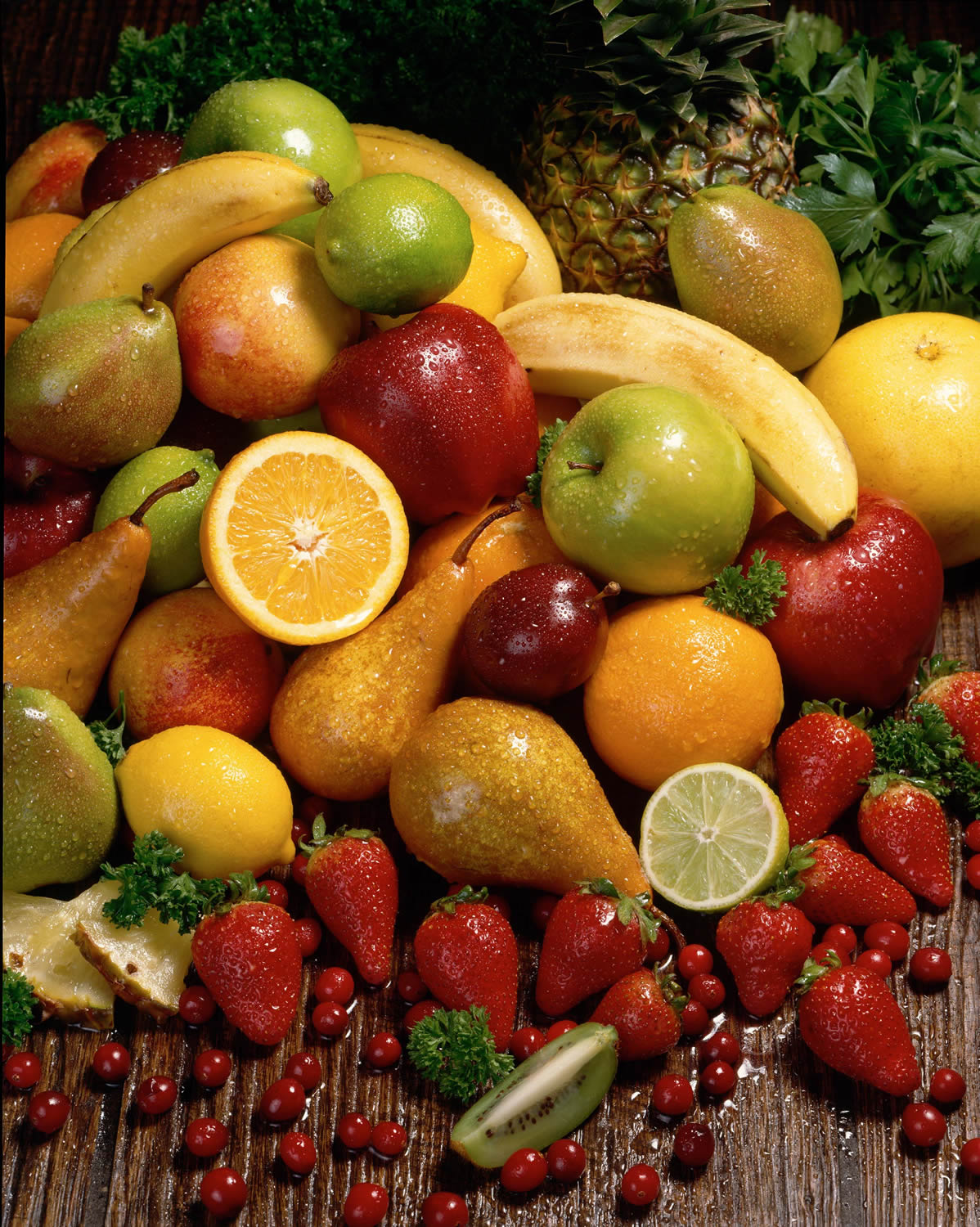

Some fruits will ripen outside the refrigerator, but some will not. Some fruits that you can ripen at home are listed below.
  • Avocados
  • Papayas
  • Bananas
  • Persimmons
  • Cantaloupe
  • Honeydew melons
  • Mangos
  • Nectarines
  • Peaches
  • Pears
  • Plums
  • Pineapples
  • Tomatoes

Speed up the ripening by placing fruit in a large paper bag.
Punch several holes in the paper bag.
Make sure the fruit is in a single layer. Do not stack pieces of fruit on top of each other
Fold the top of the bag over.
Leave the bag on the counter top while the fruit ripens .
Check the fruit every day to see if it is ready to eat.
When it is ready, eat what you like and refrigerate the rest.
Most fruit will ripen in 1-2 days. The coolness of the refrigerator will keep the ripened fruit fresh for several days.

Quickly refrigerate the fruits listed below. They do not ripen any more after they have been picked.
  • Apples
  • Blueberries
  • Cherries
  • Cranberries
  • Grapes
  • Pomegranates
  • Raspberries
  • Strawberries
  • Tangerines
  • Watermelons
  • Oranges
  • Lemons
  • Limes
  • Blackberries
  • Gooseberries

When you select fruit at the grocery look for fruit that is not bruised. The skin should not be torn or cut. Look for fruit that is firm but not rock hard.
Special Treatment for Bananas Bananas are always picked when they are green. They do not need any special care to ripen. They go from green to yellow in a few days. The brown speckles on bananas are called "honey spots." When a banana has honey spots, it is very sweet and ready to eat. Bananas can be stored in the refrigerator after they ripen too. The skin will turn dark brown or black but the banana inside will be fresh.

Eat a variety of foods every day. Make sure you eat plenty of fruits and vegetables. Fruits are naturally low in calories, fat and sodium.
Remember that old saying "an apple a day will keep the doctor away?" According to the National Institute, this is good advice.

http://urbanext.illinois.edu/thriftyliving/tl-ripefruit.html

How to Clean Your Fridge: Five Steps


Clean Your Fridge: Step 1

Crank up the coolness a notch or two. Because you'll have the door open during parts of the cleaning process, this will prevent the fridge for getting too warm, ensuring that you can safely put everything back in when you're done. Remove all the food, and perform a "freshness audit," throwing away anything sketchy. This is a good time to check labels for expiration dates, especially on infrequently used products that may have spoiled.

Clean Your Fridge: Step 2

Remove all the shelving, crisper drawers, or anything else that lifts or pops out. Be especially careful with any glass, of course. Using a clean soapy rag, wipe out the entire inside of the fridge, rinsing frequently. Because the food is stored in this compact space, you don't want to use any strong chemical cleaners - no 409, no PineSol, no bleach, etc. If you wouldn't clean off your dining plates with it, then don't use it to clean your fridge! Be sure to get the top, bottom, sides, and all the crevices (butter bins, egg holders, etc.).

Clean Your Fridge: Step 3

Create a water and vinegar mixture (1 gallon of water with 2 cups of vinegar will be plenty potent), and wipe of the innards of the fridge again to make sure you've gotten rid of any soap suds. The vinegar-water solution is a nice safe way to get it feeling and smelling clean without using harsh agents unsafe for food.

Clean Your Fridge: Step 4

Repeat the steps above for any shelves, drawers, etc.: first wipe with soapy water, then do a rinse-wipe with the vinegar water before reinserting back in the refrigerator. Replace all the food promptly and turn the dial back down to a normal cooling setting. Add a fresh opened box of baking soda to help collect future odors.

Clean Your Fridge: Step 5

While you may be done with this inside of the refrigerator, there are still some additional tasks at hand:
Clean the exterior of the fridge with whatever is appropriate for the surface (409, stainless steel cleaner, etc). Get the top, front, sides, and even the bottom of the doors.
Wipe out the grooves where the door meets the fridge frame. That suction-y rubber zone tends to get grimy. Use more soapy water followed by vinegar water.
Take a duster to the coils on the back of the fridge.
If you're really ambitious, move the whole unit and clean the floor underneath.

http://www.blogger.com/post-edit.g?blogID=3922392470449307753&postID=2245858435169864098